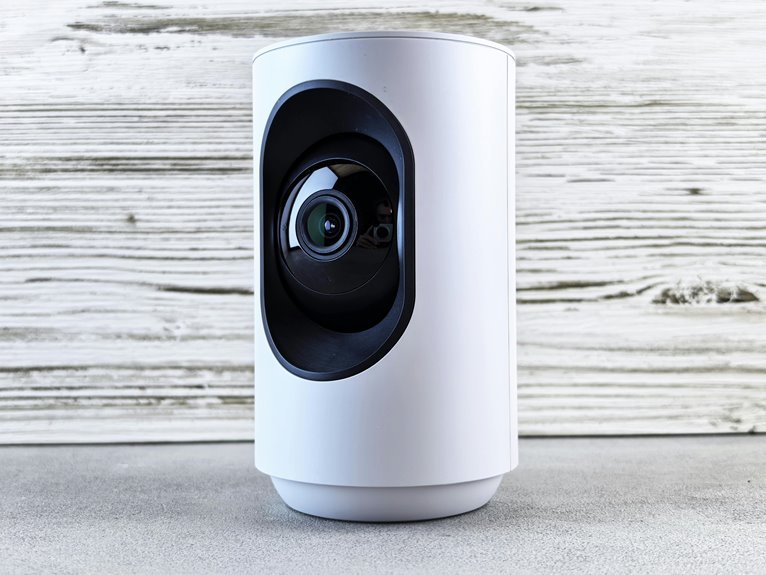
Future Tech Innovations 625496854 Security
Future tech innovations in security are reshaping the landscape of personal and digital protection. The emergence of AI-driven surveillance systems and blockchain technology for identity verification highlights a shift toward more sophisticated security measures. As advancements like quantum encryption and biometric authentication gain traction, they raise critical questions regarding privacy and ethics. Understanding these developments is essential, as the balance between enhanced security and individual rights becomes increasingly complex. What implications might this hold for future security frameworks?
The Rise of AI-Driven Surveillance Systems
As technology continues to evolve, the emergence of AI-driven surveillance systems has sparked significant debate regarding their implications for privacy and security.
Facial recognition technology, a cornerstone of these systems, raises serious privacy concerns as individuals grapple with the loss of anonymity.
The balance between enhanced security and the preservation of personal freedoms remains a contentious issue, prompting ongoing discussions about ethical guidelines and regulatory measures.
How Blockchain Is Transforming Identity Verification
The challenges surrounding privacy in the age of AI-driven surveillance systems highlight the need for innovative solutions in identity verification.
Blockchain technology emerges as a robust alternative, enabling secure digital passports that protect personal information.
Enhancing Physical Security With Smart Technology
While traditional security measures have relied heavily on physical barriers and human oversight, smart technology is revolutionizing the landscape of physical security.
Smart locks and biometric access systems offer enhanced protection by utilizing unique personal identifiers, making unauthorized entry significantly more challenging.
This integration not only increases security but also empowers individuals with greater control over their environments, promoting a sense of freedom and safety.
Future Trends in Cybersecurity Innovations
With the increasing integration of smart technology in physical security, the focus inevitably shifts to the digital realm, where cybersecurity innovations are set to play a vital role in safeguarding sensitive information.
Future trends include quantum encryption, providing unbreakable data protection, and biometric authentication, ensuring that access is granted solely to authorized users.
Together, these advancements promise to redefine digital security in an increasingly interconnected world.
Conclusion
As security technologies evolve, the implications for personal privacy and societal trust become increasingly complex. Consider a hypothetical scenario where an AI-driven surveillance system misidentifies an innocent individual as a threat, leading to wrongful detainment. Such incidents highlight the pressing need for ethical oversight and robust regulatory frameworks. Balancing the benefits of advanced security innovations with the preservation of individual rights will be crucial in shaping a future where safety does not come at the expense of freedom.